


Ford F-250/F-350 Big Brake Kit Guide: Which Kit Fits Your Truck

If you're researching a Ford F-250 or F-350 big brake kit, you already know the feeling: stock brakes that felt fine empty start to feel overwhelmed the moment you hook up a trailer, load the bed, or add larger tires. This guide breaks down what a big brake kit actually changes, which SSBC-USA kit fits your truck, and the fitment details you need to check before you order.
Why Upgrade Your F-250/F-350 Brakes?
Factory two-piston calipers were sized for a stock truck. Once you start towing, hauling, or running 35"+ tires, you're asking the same small caliper and rotor to stop a lot more weight and rotational mass. The result is longer stopping distances, a soft or fading pedal on long descents, and faster pad wear.
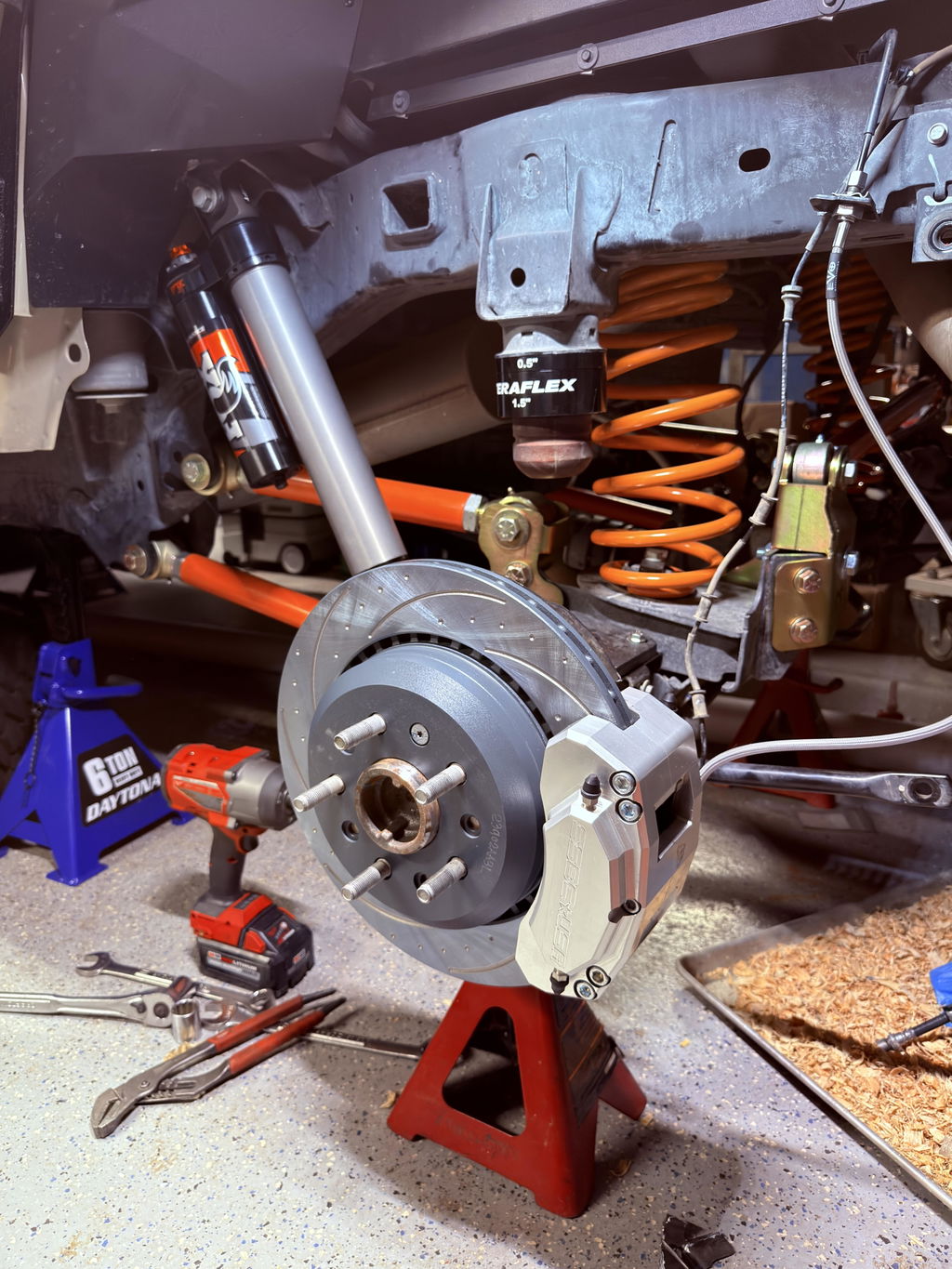
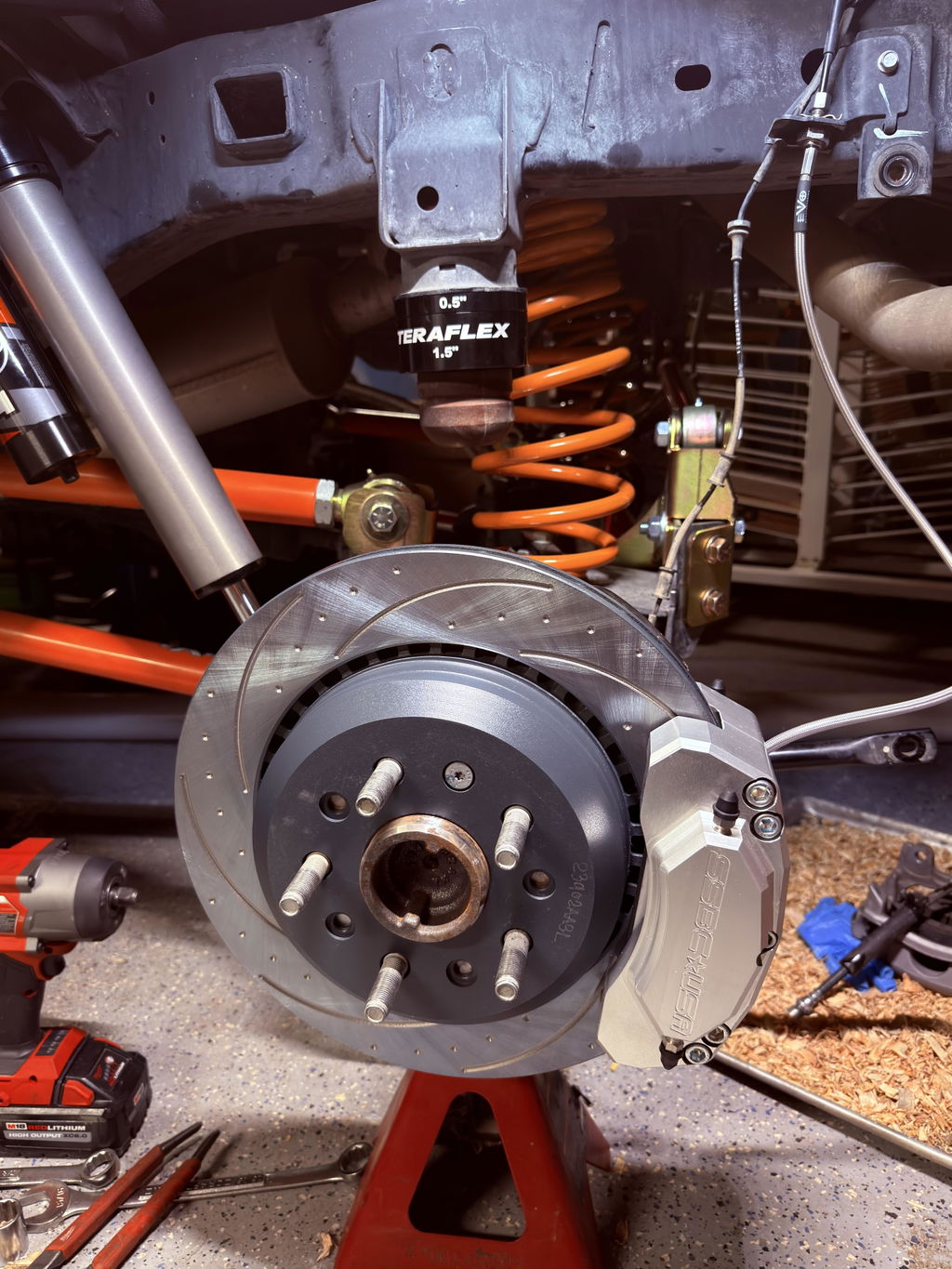
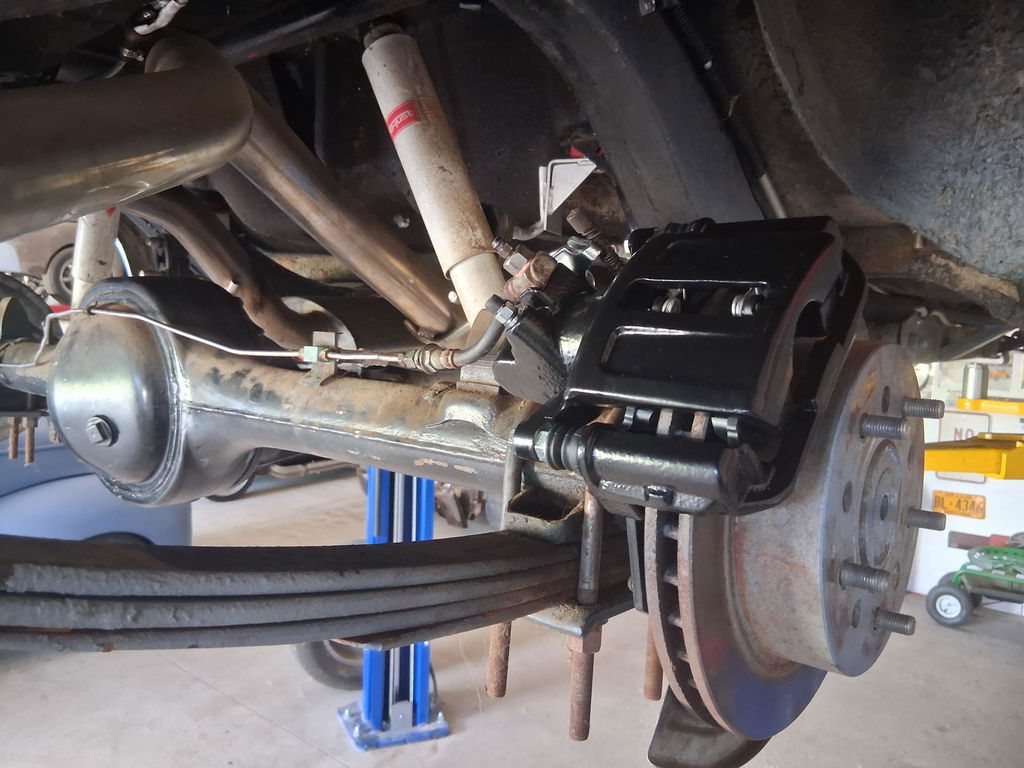
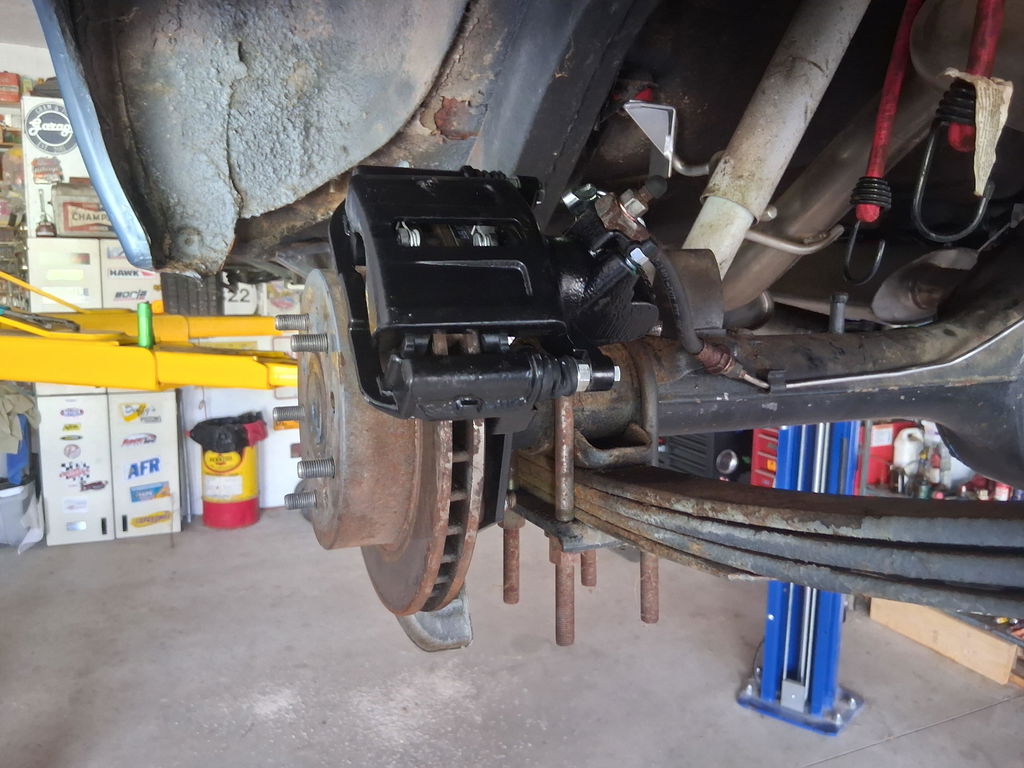
An SSBC-USA big brake kit replaces the factory calipers with a billet aluminum, multi-piston caliper (6 or 8-piston depending on the kit) and pairs it with a DS rotor built for towing and heavy-duty use — while keeping your factory hydraulic system and ABS intact. No custom brake lines, no master cylinder swap, no tuning required.
Which SSBC-USA Kit Fits Your F-250/F-350?
SSBC-USA builds two core big brake platforms for Super Duty trucks, split by model year:
- 2013–2022 Ford F-250/F-350: B8-Barbarian 8-piston front and rear kits, available as individual caliper upgrades, full disc brake kits with DS rotors, or a complete 4-wheel Big Brake Bundle.
- 1999–2004 Ford F-250/F-350 & 2000–2005 Excursion: V8-Barbarian 8-piston front and rear kits, same build quality, engineered for the earlier Super Duty platform.
Both platforms are available in clear anodized, red, or black billet aluminum finishes, and both are sold as front-only, rear-only, or as a 4-wheel bundle (which saves you $250 over buying front and rear separately).
Fitment Details to Check Before You Order
Most fitment issues come down to a handful of specifics. Confirm these before ordering:
- Model year: the 2013–2022 kits and 1999–2004 kits are not interchangeable — confirm which generation your truck is.
- Single rear wheel vs. dual rear wheel (dually): these kits are built for single rear wheel applications. Dually trucks require different wheel clearance and are not a direct fit.
- 2WD vs. 4WD: front kits differ by drivetrain — check your kit's listed compatibility before ordering.
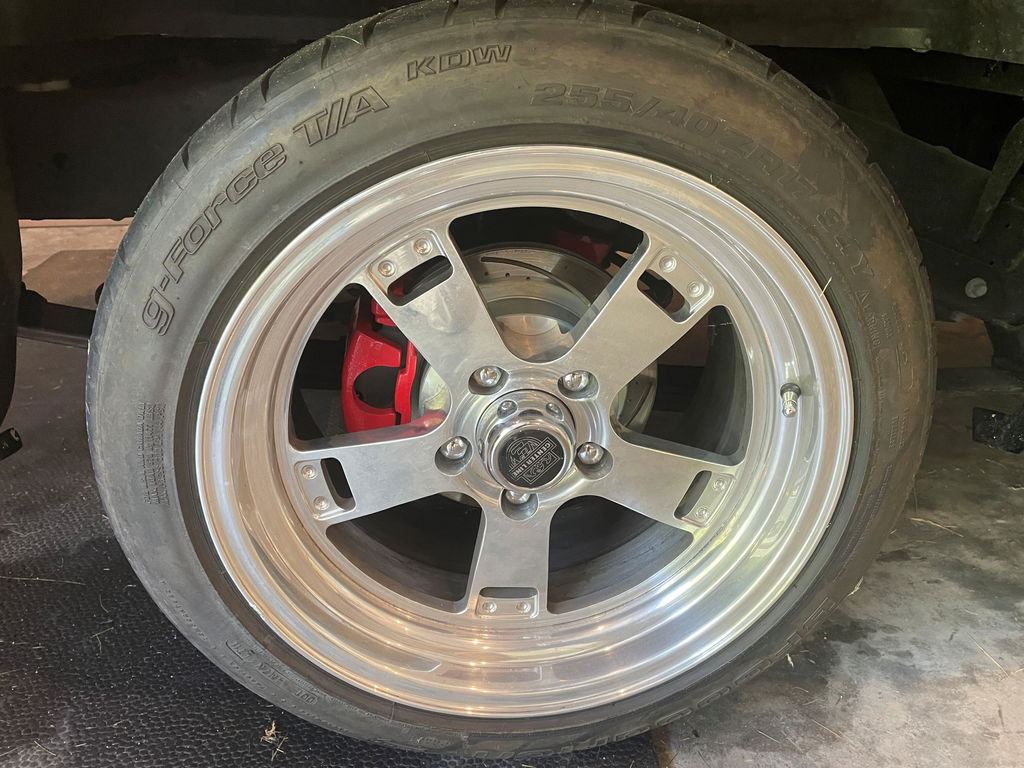
- Wheel clearance: larger calipers need adequate clearance behind your factory or aftermarket wheels. If you're running smaller factory-style wheels, call ahead to confirm clearance.
If any of that isn't 100% clear for your specific truck, that's exactly what our tech support line is for — call (716) 775-6700, Mon–Fri 8AM–5PM EST, and we'll confirm your application before you order.
What's Included
Every SSBC-USA big brake kit for the F-250/F-350 includes:
- Billet aluminum calipers (6 or 8-piston depending on kit), 100% Made in the USA
- DS rotors — dimple-drilled, slotted, and coated for heat management and towing duty
- Severe-duty brake pads
- Required brackets, hardware, and stainless flex hoses where applicable
Everything bolts to your stock spindle or axle — no fabrication, no modifications to your factory brake lines or master cylinder.
Front, Rear, or the Full 4-Wheel Bundle?
If you're towing regularly or running a heavier build, upgrade front and rear together with the 4-Wheel Big Brake Bundle — it's the most complete upgrade and the best value per wheel. If your budget or timeline calls for doing it in stages, start with the front kit, since it carries the majority of stopping power on a Super Duty truck.
Shop F-250/F-350 Big Brake Kits
Browse the full lineup of Ford Super Duty big brake kits, caliper upgrade kits, and 4-wheel bundles: Ford F-250/F-350 Big Brake Kits.
Every kit ships from our facility in Elma, New York. Built Here. Stops Anywhere.
Have questions about which kit fits your F-250 or F-350? Call SSBC-USA tech support at (716) 775-6700 or email orders@ssbc-usa.com — we'll help you get the right kit the first time.
Leave a comment