



How Bigger Wheels and Tires Affect Braking Performance

Bigger wheels and tires can completely transform the look, ground clearance, and capability of a truck. But they also change the amount of work your braking system must do every time you press the pedal.
Factory brakes are engineered around the vehicle’s original wheel-and-tire package, expected payload, and normal driving conditions. Once you add heavier wheels, taller tires, a lift, towing weight, or other modifications, the brakes may have to manage significantly more energy than they did in stock form.
That does not automatically mean every modified truck needs a big brake kit. It does mean wheel size, tire diameter, total assembly weight, and how the truck is used should all be considered when evaluating braking performance. For a broader comparison, read Big Brake Kit vs. Stock Brakes: What’s the Difference?
Why Bigger Wheels and Tires Change Braking
There are two main reasons oversized wheel-and-tire packages can make a truck harder to stop: increased rotating mass and increased tire radius.
1. More Rotating Mass
A larger or heavier wheel-and-tire assembly requires more energy to accelerate. It also requires more braking energy to slow down. This is different from simply adding weight in the bed because the brake system must control both the vehicle’s forward motion and the rotation of each wheel-and-tire assembly.
Heavy all-terrain tires, mud-terrain tires, beadlock-style wheels, and large-diameter aftermarket wheels can add meaningful weight at each corner. The farther that weight is positioned from the center of the hub, the greater its effect on rotational inertia.
2. A Larger Effective Lever
Taller tires increase the distance between the axle centerline and the road. That larger radius creates more leverage against the brakes. In simple terms, the brake system must generate more torque at the hub to produce the same stopping force at the tire contact patch.
This is why moving from a factory tire to a much taller 35-inch, 37-inch, or larger tire can affect braking even when the new wheel itself is not dramatically heavier.
What You May Notice After Installing Larger Tires
The change is not always immediate or dramatic. In many cases, braking performance declines gradually as tire size, vehicle weight, and driving demands increase. Common signs include:
- More pedal pressure needed during normal stops
- Longer stopping distances
- Faster heat buildup during repeated braking
- Brake fade on long grades or after several hard stops
- Premature pad or rotor wear
- A softer or less confident pedal feel under load
- More vibration or brake odor when the system is overheated
A truck may feel acceptable during light city driving but become much less confidence-inspiring when towing, descending a grade, traveling at highway speed, or making repeated stops. Review 5 Signs Your Truck Needs a Brake Upgrade for a quick symptom checklist.
Wheel Diameter Is Only Part of the Story
A common mistake is focusing only on the wheel diameter. A 20-inch wheel is not automatically harder to stop than an 18-inch wheel. The complete package matters.
Important factors include:
- Total tire diameter
- Combined wheel-and-tire weight
- How the weight is distributed across the assembly
- Tire construction and tread type
- Wheel offset and brake clearance
- Vehicle payload, accessories, and towing weight
For example, a lightweight 20-inch wheel with a moderate street tire may place less demand on the brakes than a heavy 18-inch wheel paired with a large mud-terrain tire. Always evaluate the actual rolling assembly rather than relying on wheel diameter alone.
Why Towing and Hauling Magnify the Problem
Oversized tires and heavy wheels become even more important when the truck is used for towing or hauling. The brakes must already absorb the energy created by the truck, cargo, trailer, passengers, and accessories. Larger rotating assemblies add another demand to the system.
Long downhill grades are especially challenging because the brakes may remain engaged for extended periods. As rotor and pad temperatures rise, friction can become less consistent. This is known as brake fade, and it can result in a longer pedal, reduced stopping force, or both.
Properly functioning trailer brakes are essential, but they do not eliminate the need for adequate braking performance from the tow vehicle. The truck still has to control its own weight and remain stable during emergency stops, traffic changes, and steep descents. Learn more in Why Your Stock Brakes Can’t Keep Up When You’re Towing.
Can Better Pads and Rotors Be Enough?
For a mild increase in tire size and normal street use, quality replacement pads, fresh rotors, properly maintained calipers, and clean brake fluid may restore or improve braking confidence. Maintenance should always be the first step before assuming the system needs a complete redesign.
Inspect the entire brake system for:
- Worn or glazed pads
- Heat-spotted, cracked, or excessively worn rotors
- Sticking calipers or slide pins
- Old or contaminated brake fluid
- Flexible hoses that are damaged or expanding under pressure
- Improper tire pressure or overloaded tires
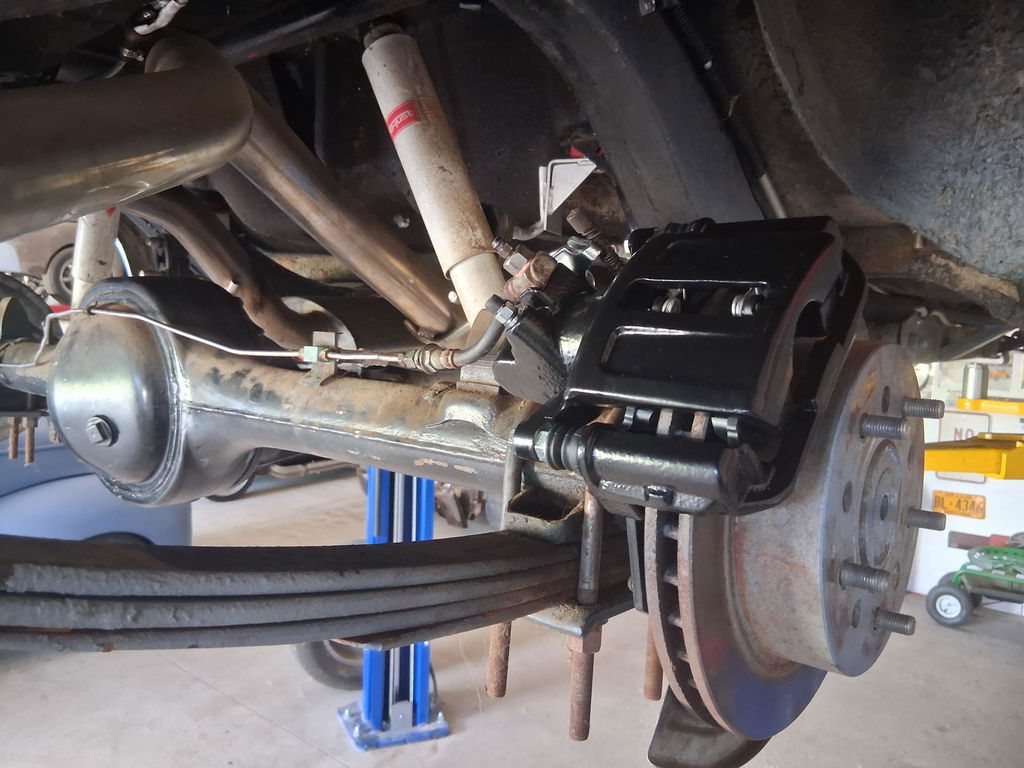
However, pads and direct-replacement rotors cannot change the fundamental mechanical leverage or total thermal capacity of the original brake package. When the truck’s use has moved well beyond stock expectations, a larger brake system may be the more appropriate solution.
When to Consider a Big Brake Upgrade
A big brake upgrade should be considered when one or more of the following apply:
- The truck is running 35-inch, 37-inch, or larger tires
- The wheel-and-tire package is substantially heavier than stock
- The truck regularly tows or hauls heavy loads
- Driving includes mountain grades, stop-and-go commercial use, or repeated hard braking
- The current brakes fade, overheat, or wear unusually quickly
- The pedal feels less responsive after the truck was modified
- Additional weight has been added through bumpers, armor, service bodies, equipment, or accessories
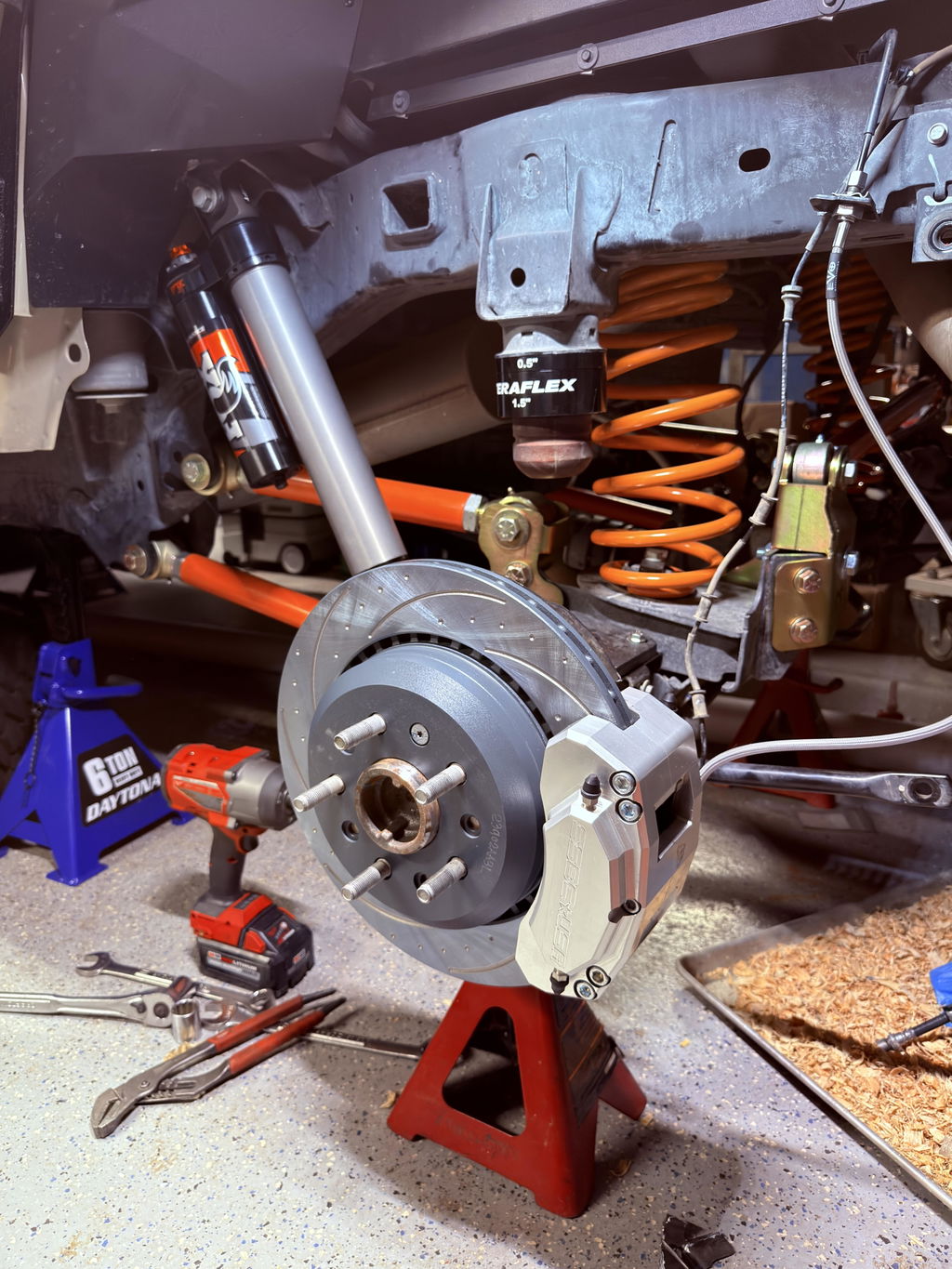
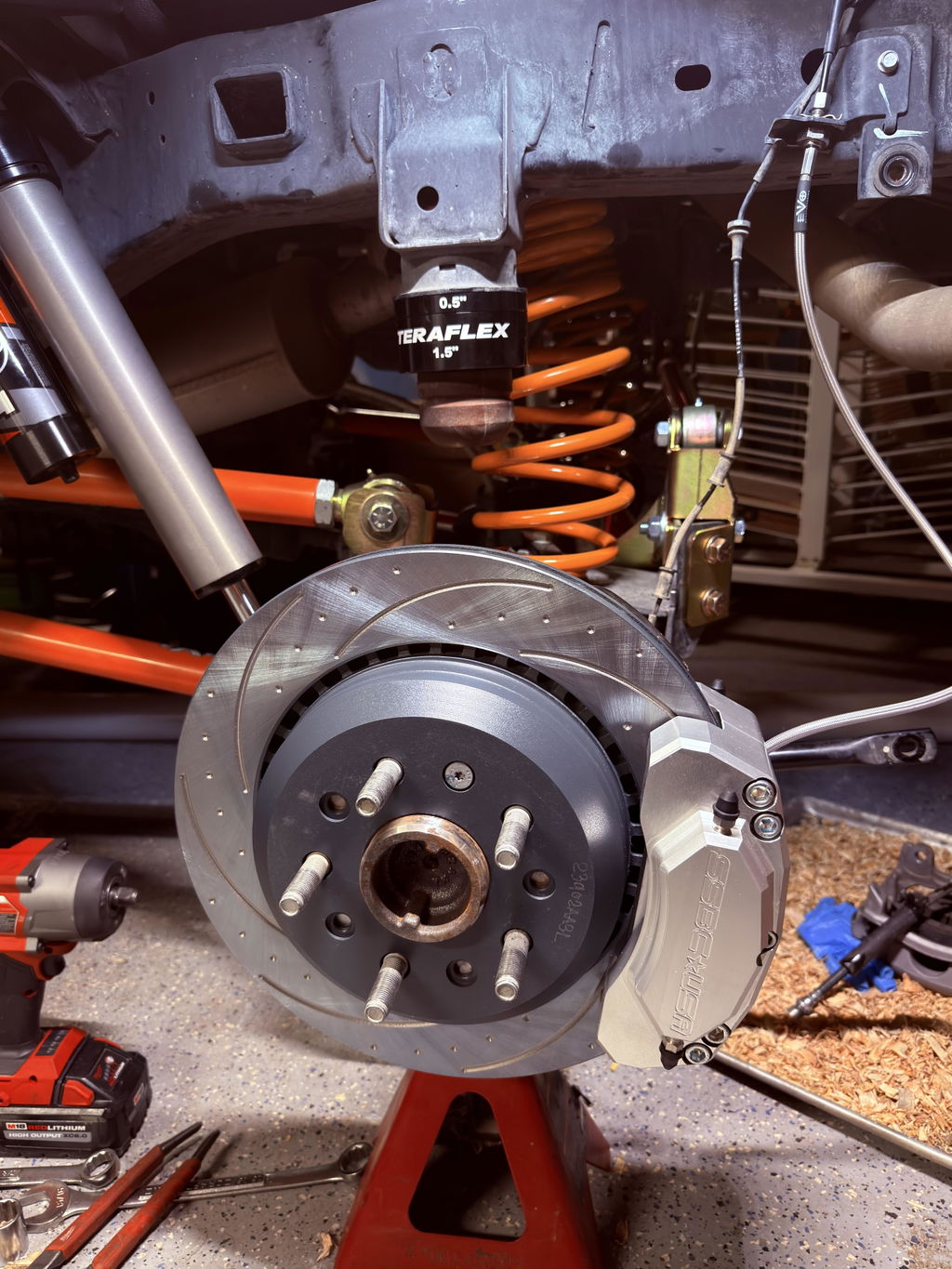
Depending on the application, a performance brake system can increase braking torque and heat capacity through larger rotors, more capable calipers, increased pad area, and a more rigid overall design. The goal is not simply to make the brakes look larger. It is to provide more consistent stopping performance when the truck is working harder than stock.
SSBC-USA Brake Upgrade Examples
The correct kit depends on the exact year, model, axle configuration, wheels, and intended use. These are representative SSBC-USA options for common modified-truck applications:
- Heavy-duty Ford: 2017–2025 Ford F-450 B8-Beast Front Disc Brake Kit with DS Rotors for trucks requiring greater front braking capacity.
- Ram half-ton: 2009–2018 Ram 1500 and 2019–2024 Ram 1500 Classic B8-Brawler LT Front Kit for lifted or performance-oriented half-ton builds.
- Earlier Ford Super Duty and Excursion: 1999–2004 Ford F-250/F-350 and 2000–2005 Excursion V8-Barbarian Front Kit.
Use the SSBC-USA vehicle search to locate options for your exact year, make, and model. Product examples above are not universal; confirm fitment and wheel clearance before ordering.
Front, Rear, or Complete Brake Upgrade?
During braking, weight transfers toward the front of the vehicle, so the front brakes typically handle the majority of the work. That is why a front big brake kit can make a noticeable difference in many applications.
However, the braking system must remain balanced. Rear brake performance contributes to stability, control, and overall heat management. Trucks used for demanding towing, hauling, large tires, or commercial work may benefit most from a properly matched front-and-rear package.
The right choice depends on the specific vehicle, model year, axle configuration, wheel clearance, tire size, and intended use. For platform-specific help, review the Ford F-250/F-350, Ram 2500/3500, and Chevy/GMC 2500/3500 brake kit guides.
What to Know Before Choosing a Brake Kit
Before selecting an upgrade, gather the following information:
- Year, make, and model
- Two-wheel drive or four-wheel drive
- Axle and suspension configuration
- Current wheel diameter, width, and offset
- Actual tire diameter and tire size
- Approximate wheel-and-tire assembly weight
- Typical payload or trailer weight
- How and where the truck is normally driven
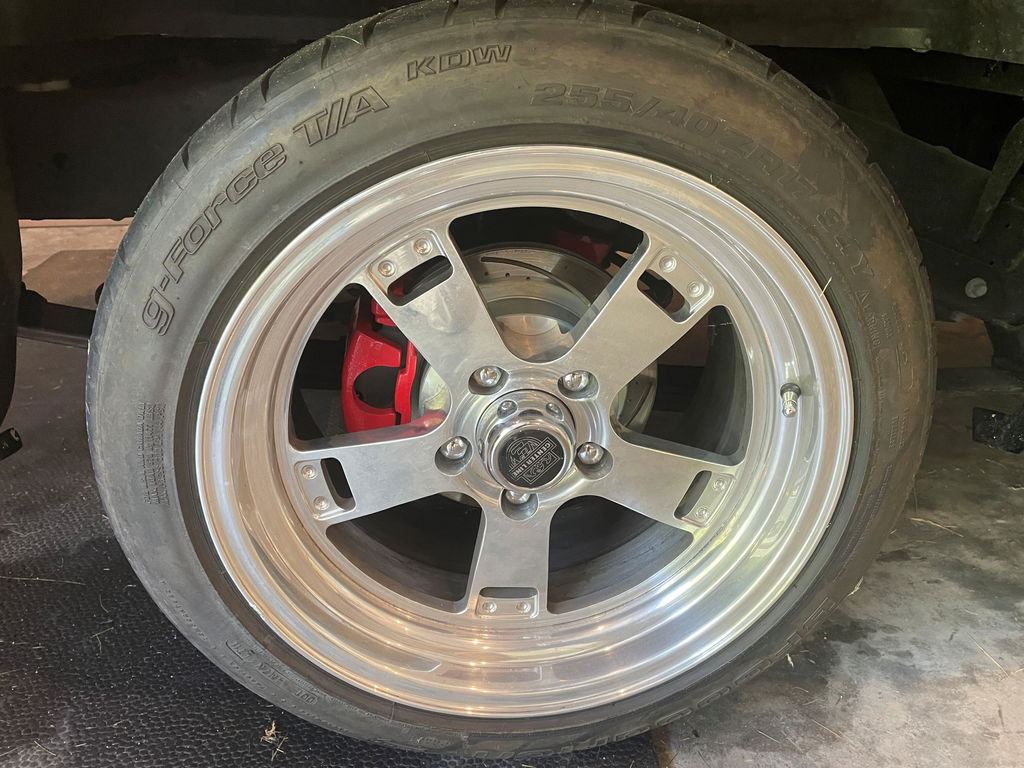
Wheel clearance is especially important. A larger brake package requires enough internal wheel space around the caliper and rotor. Wheel diameter alone does not guarantee clearance because spoke shape, barrel design, and offset vary between manufacturers.
The Bottom Line
Bigger wheels and tires do more than change the appearance of a truck. They can increase rotational inertia, reduce the mechanical advantage of the factory brake system, raise operating temperatures, and make brake fade more likely under demanding conditions.
For lightly modified trucks, proper maintenance and quality replacement components may be enough. For trucks running significantly larger tires, towing heavy, hauling equipment, or repeatedly overheating the stock brakes, a properly engineered big brake upgrade can restore the confidence and consistency the vehicle needs.
SSBC-USA builds performance brake systems for trucks that work harder than stock. Have your year, make, model, wheel specifications, tire size, and towing or hauling use available so the correct setup and wheel clearance can be verified.
Find brake upgrades for your vehicle.
Brake modifications affect a critical safety system. Confirm vehicle fitment and wheel clearance, follow all installation and bedding procedures, and use a qualified installer when appropriate.
Leave a comment